
London Vision Clinic Foundation
Charity Initiatives and Partnerships
Too poor to see, can’t see to work, can’t see to survive…
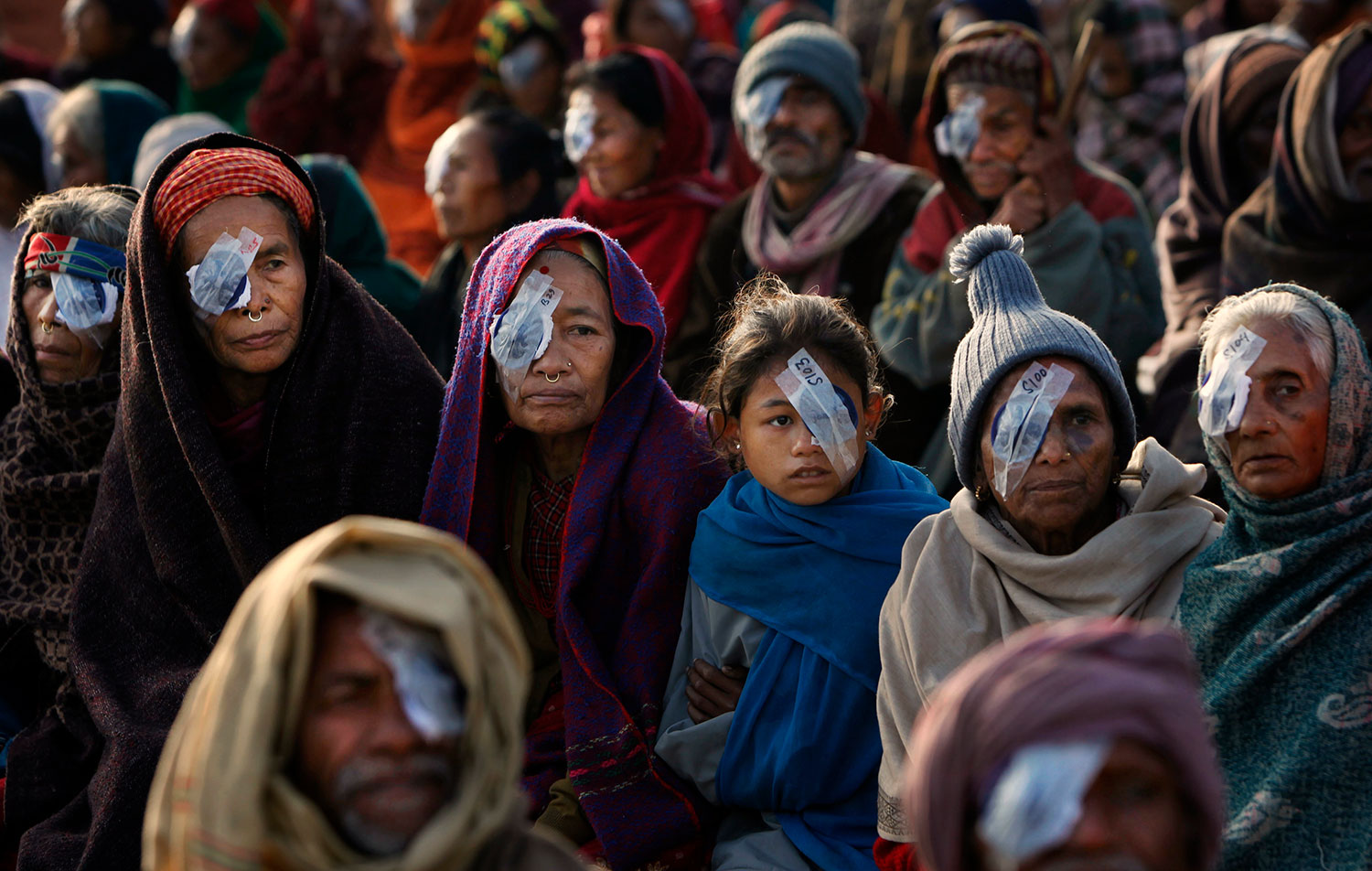
By kind permission of the Associated Press / Gemunu Amarasinghe.
Thirty years ago, the idea of a painless 10-minute procedure that could heal within hours and free people from dependence on glasses felt almost unimaginable. Today, laser eye surgery has made natural unaided vision possible for millions of people.
The London Vision Clinic Foundation was established to help bring that same technology, expertise and long-term thinking to people who need it most. Its mission is to address avoidable visual impairment caused by uncorrected refractive error by supporting sustainable models of refractive and ophthalmic care in underserved regions.
Across much of the world, poor vision is not simply an inconvenience. It can mean loss of education, loss of work, loss of independence, and in some cases loss of social standing and survival itself. For millions of people, visual impairment persists not because treatment does not exist, but because the practical or financial means to correct vision remain out of reach.
Shockingly, a very large proportion of treatable visual impairment in the developing world is due to uncorrected refractive error, including short-sightedness, long-sightedness, astigmatism and presbyopia. In many developing regions, people remain visually impaired simply because they cannot afford, maintain or replace a pair of glasses. This can mean being unable to work, support a family, continue education, or live independently. In some communities, blindness still carries stigma, with beliefs that it may be a curse or even contagious.
Although hundreds of millions of people remain visually impaired due to preventable circumstances, relatively little global effort has been directed toward refractive error compared with other causes of blindness. One reason may be that, unlike cataract, visual impairment caused by refractive error is often not viewed as a disease. Yet its effect on daily life, productivity and dignity can be profound.
While improving access to spectacles may appear to be the obvious answer, it has often proved difficult to sustain in lower-resource environments. In Nepal, for example, many families have historically lived on extremely low incomes, while spectacles may last less than a year because of environmental conditions, breakage and limited access to replacement. In that setting, poor vision becomes not just a medical issue, but an economic and social trap.
The London Vision Clinic Foundation was built around a different idea: that modern refractive surgery, when delivered responsibly and sustainably, can become part of a wider humanitarian eye-care system. Rather than seeing laser vision correction as a luxury, the Foundation supports models in which it can restore function, independence and opportunity, while also helping fund broader ophthalmic care.
The Foundation’s work has been made possible through partnership with one of the world’s leading humanitarian eye-care organisations, Cure Blindness, formerly the Himalayan Cataract Project. Founded by Dr Sanduk Ruit and Professor Geoff Tabin, the organisation has long demonstrated that high-quality ophthalmic care can be delivered even in regions where infrastructure is limited.
The collaboration with London Vision Clinic began in October 2009, when USAID’s Office of American Schools and Hospitals Abroad awarded a $700,000 grant to support the renovation of the former Tilganga outpatient clinic in Nepal. Professor Dan Reinstein was appointed Director of Refractive Surgery on the Medical Advisory Board of Cure Blindness. His experience in surgical training, research, innovation and high-volume refractive surgery aligned closely with the organisation’s mission to eliminate preventable blindness through high-quality care, education and sustainable infrastructure.
With generous support from the Georg and Emily von Opel Foundation and a personal donation from Amer Al-Tajir and family, the London Vision Clinic Foundation funded clinical training and the development of a dedicated surgical suite. Carl Zeiss Meditec provided the MEL90 and VisuMax laser systems, while NexTech donated electronic medical record systems that allowed London Vision Clinic protocols to be implemented.
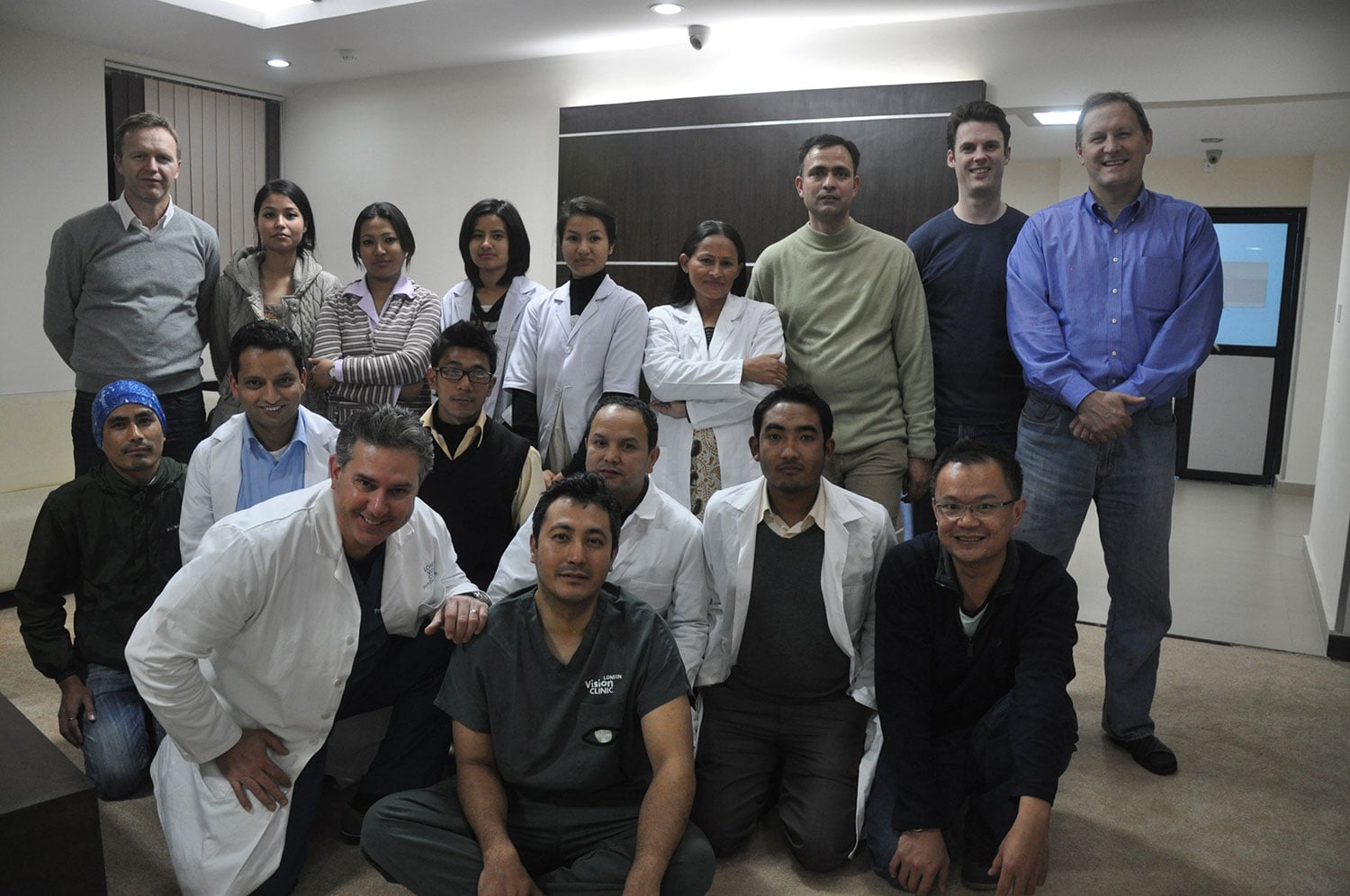
Nepal
Working with Professor Geoff Tabin, whose contribution to global ophthalmology has been extraordinary, and who founded the Himalayan Cataract Project, now Cure Blindness, we helped establish a refractive surgery model in Nepal designed not as a vanity service, but as part of a broader system of eye care. Our London Vision Clinic co-founder and Managing Director, Craig Engelfried, oversaw the setting up of the unit, including its coordination, logistics and implementation, as our team led the design, building and launch of the first refractive surgery unit in Nepal.
A central figure in that story was Dr Kishore Pradhan, who trained for a year at London Vision Clinic as Professor Dan Reinstein’s Refractive Surgery Fellow. Professor Reinstein then supervised Dr Pradhan’s first 50 procedures in Kathmandu, and his colleague Mr Glenn Carp supervised his second 50 before he went solo. The principle was a cost-recovery approach: to use laser vision correction not only to treat refractive error, but also to help support wider humanitarian ophthalmic care.
The project demonstrated that refractive surgery could be integrated into a meaningful public-health framework in a lower-resource environment. Over time, the Nepal project became self-funding and self-sustaining, with around 5,000 patients treated. That matters because it showed this was not a short-lived charitable gesture, but a viable model.
Just as importantly, it showed how investment in training and standards can propagate far beyond the original project. Dr Pradhan went on to build an illustrious career, not only expanding refractive surgery at Tilganga, but also innovating within the field and publishing with us, including the first Hyperopic SMILE studies and other surgical advances. He later founded his own institute, Matrika, together with a foundation that performs thousands of cataract operations for patients who otherwise could not afford treatment. He is now a world-renowned refractive surgeon helping companies develop new techniques and products internationally.
Ethiopia
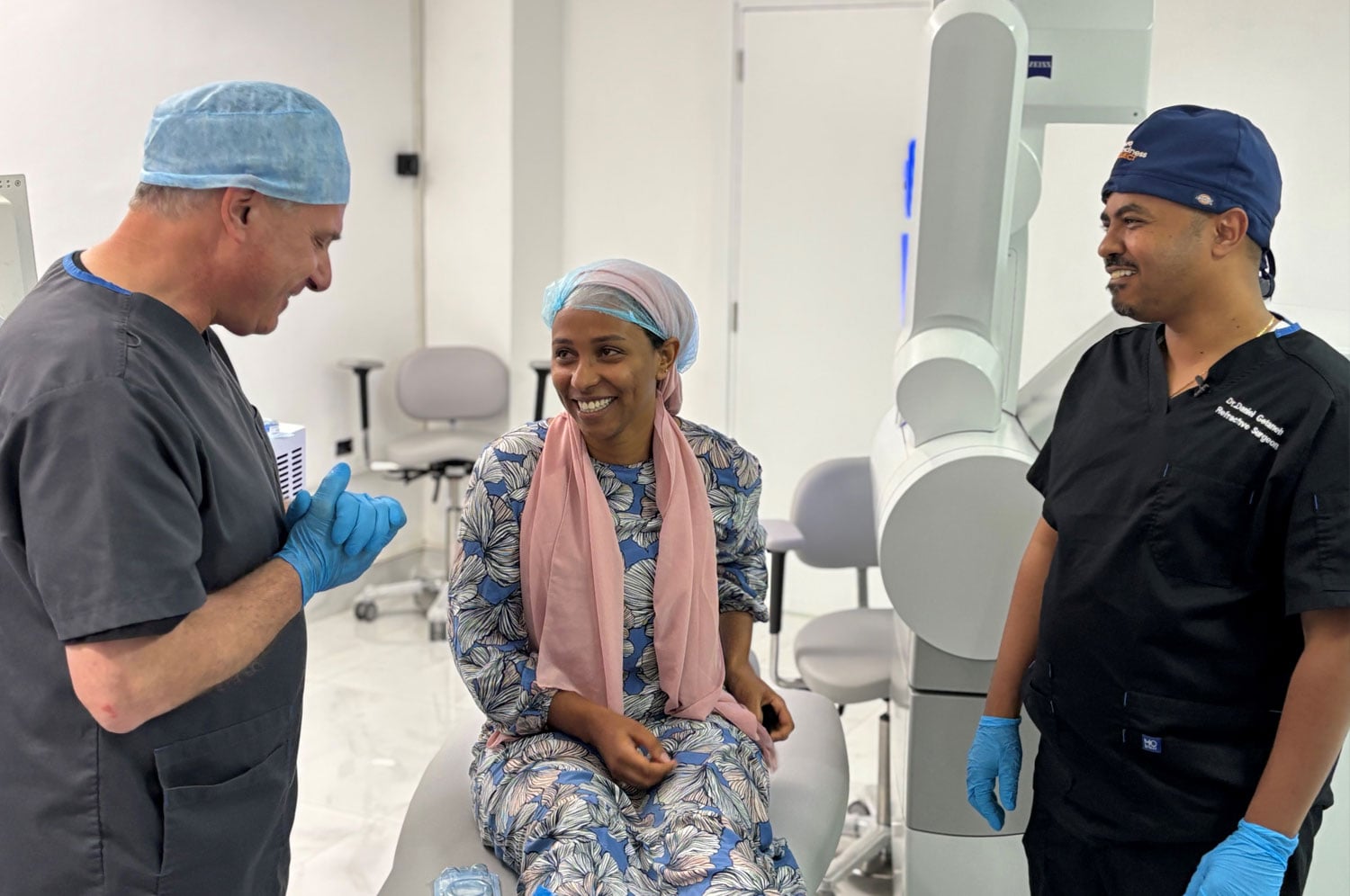
The work did not stop in Nepal. On 26 July 2025, Professor Dan Reinstein opened a second refractive surgery centre in Addis Ababa, Ethiopia, in partnership with Cure Blindness and Biruh Vision. This was not conceived as a short-term mission, but as the development of a fully operational refractive surgery unit built on the same principles that had proved successful in Nepal: rigorous diagnostics, careful patient selection, disciplined protocols, structured training and a sustainable operational model.
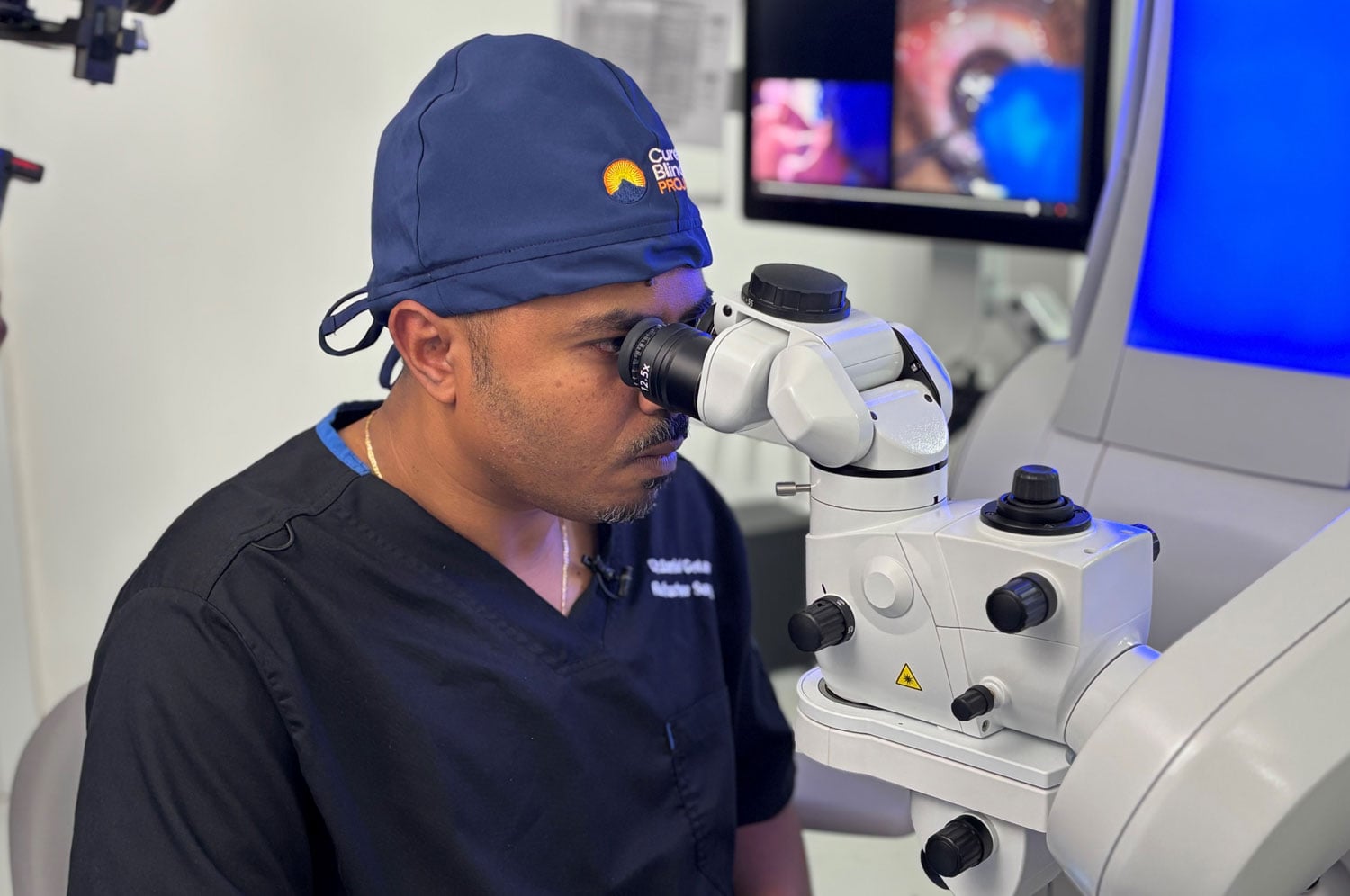
A central figure in the Ethiopia project was Dr Daniel Gatineh, who underwent extensive mentorship and training over several years as part of the preparation for launch. The wider London Vision Clinic team helped shape every aspect of the unit, from clinical protocols, diagnostics and outcomes systems to staffing, training, operational design and launch preparation. Craig Engelfried played a leading role in coordination and implementation, while Tim Archer helped drive the technical and operational integration required to establish the service on a robust footing.
As in Nepal, the aim was not simply to introduce technology, but to establish a centre capable of delivering refractive surgery to the highest standard within a broader humanitarian eye-care framework. From the outset, the model was designed so that private refractive surgery could help support wider charitable refractive surgery and outreach activity. Early demand confirmed both the scale of unmet need and the viability of the approach, demonstrating again that with the right training, systems and standards, refractive surgery can become a sustainable part of global eye health.
Cusco, Peru
The Nepal model also proved transferable. In Cusco, Peru, Nathan Henson and Christian established La Fuente Centro de Salud Integral after training with us through the Forefront Refractive Surgery Course in London and using our published Nepal experience as the template. Professor Reinstein later spent a week in Cusco overseeing their first treatments and helping guide the start-up of the clinic, which was conceived as a mirror image of London Vision Clinic, built on the same emphasis on rigorous diagnostics, disciplined protocols and surgical standards designed to achieve exceptionally low complication rates.
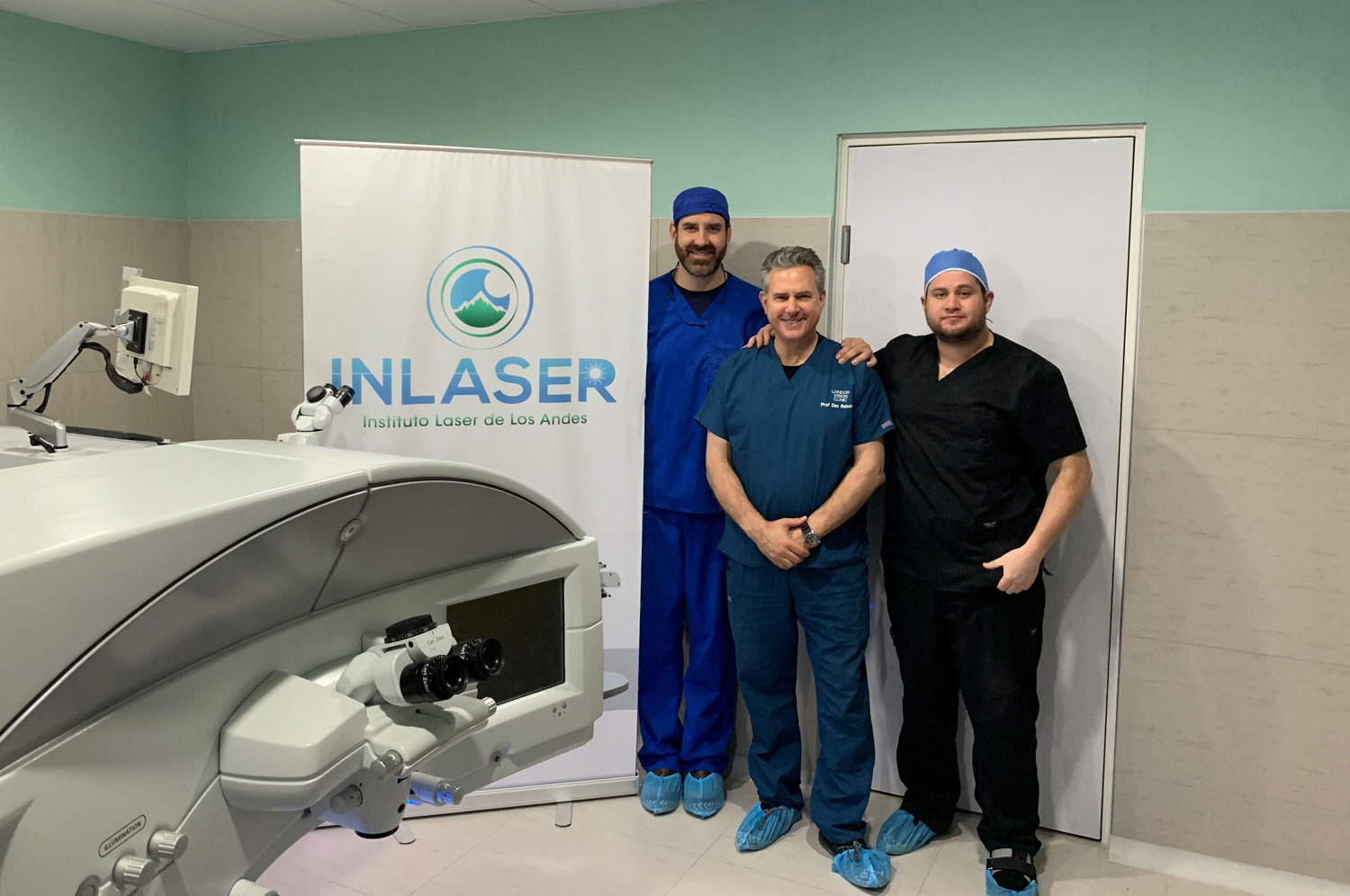
As in Nepal, the purpose was not simply to deliver refractive surgery, but to create a sustainable cost-recovery model that could help fund wider humanitarian refractive and ophthalmic care. The Cusco project showed that, with the right training, structure and standards, the model could be adapted and reproduced in very different environments.
Our Approach
The Foundation’s work is based on a simple belief: permanent vision correction only has value when it is built on rigorous diagnostics, careful patient selection, surgical precision and long-term commitment to visual quality. Technology alone is never enough. Sustainable humanitarian eye care depends on training people well, building systems properly, and creating services that can endure after the initial support has ended.
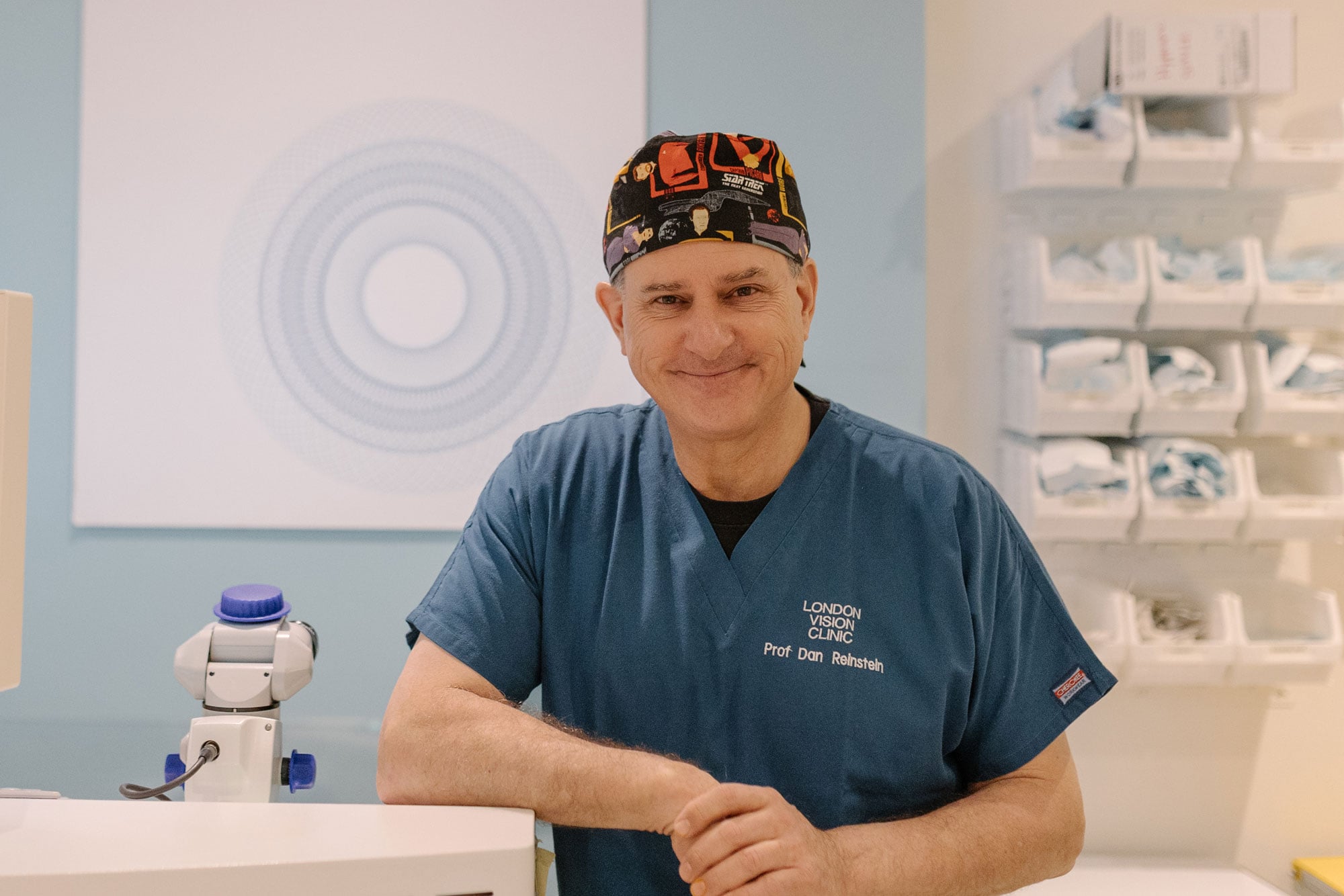
This is why the Foundation has focused not only on equipment and surgery, but on education, mentorship, clinical standards, operational design, diagnostics, data systems and long-term partnership. The goal is not merely to perform procedures. It is to help create centres of excellence that can continue treating patients, training others and expanding access to eye care long into the future.
Looking Forward
The London Vision Clinic Foundation continues to support the idea that refractive surgery should have a place within global eye health. In the right setting, and with the right structure, it can do more than free people from glasses. It can restore function, dignity and independence, while contributing to sustainable ophthalmic care for entire communities.
This is not charity as a one-off act. It is the building of systems, standards and expertise that can change lives at scale.
About Professor Dan Reinstein
Professor Dan Reinstein is a world-leading refractive surgeon, founder of London Vision Clinic, inventor of PRESBYOND Laser Blended Vision, and an international authority on LASIK, SMILE and the surgical correction of presbyopia. He was the first to develop corneal epithelial mapping. His work has contributed to both the scientific development of modern refractive surgery and its application in global eye health initiatives.