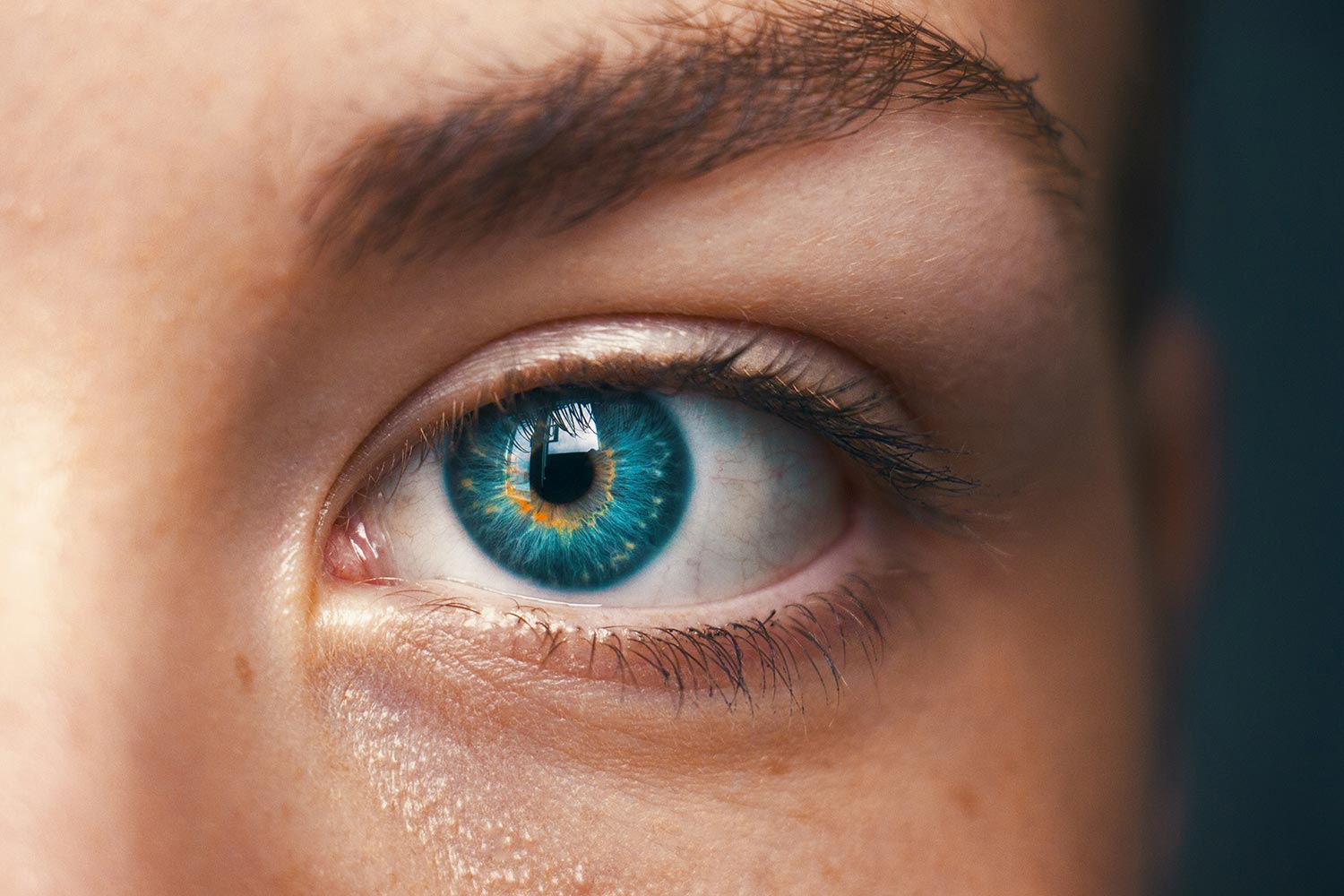
Amblyopia, more commonly known as a “lazy eye”, is a condition in which vision in one eye does not develop normally during childhood. It can occur alongside refractive errors such as short-sightedness, long-sightedness and astigmatism. If you have amblyopia and are considering refractive treatment to correct your prescription, you may naturally wonder whether Laser Eye Surgery can help.
Amblyopia is estimated to affect between 1% and 5% of the population and is one of the most common causes of reduced vision in children. Treatment is generally most successful when the condition is identified early, while the visual system is still developing. When it remains untreated, the affected eye may never achieve normal visual potential, and the reduced vision can persist into adulthood.
What Causes Amblyopia?
Amblyopia develops when the brain receives a consistently weaker, blurred or conflicting image from one eye during early childhood. Over time, the brain begins to rely more heavily on the stronger eye and may suppress visual information coming from the affected eye.
One of the most common causes is a squint, also known as strabismus, in which the eyes point in different directions. To avoid double vision or visual confusion, the developing brain may begin to ignore the image from the misaligned eye. This is known as strabismic amblyopia. Amblyopia can also be caused by anisometropia, which means there is a significant difference between the prescriptions of the two eyes. Refractive errors such as myopia, hyperopia and astigmatism affect the way light is focused by the eye.
If one eye produces a substantially clearer image than the other, the brain may favour that eye and reduce its use of the blurrier image. The difference between the eyes is measured in dioptres, although there is no single prescription difference that causes amblyopia in every child. This form of the condition is known as refractive amblyopia. Glasses or contact lenses can help correct the imbalance during childhood and give the weaker eye a clearer image. However, when the refractive difference is not identified and corrected early enough, normal visual development may be disrupted.
Amblyopia can also result from any childhood condition that blocks or significantly reduces clear vision in one eye. Examples include a childhood cataract or severe ptosis, where a drooping eyelid obstructs the pupil. This is sometimes described as deprivation amblyopia. The condition usually affects one eye, although it can occur in both eyes when both receive persistently blurred images during visual development. Amblyopia may not produce obvious symptoms, which is one reason childhood vision screening is so important.
Can Laser Eye Surgery Treat Amblyopia?
Laser Eye Surgery cannot directly treat the developmental component of amblyopia. The condition is not simply caused by the shape or focusing power of the eye. It involves the way the eye and brain learned to work together during childhood. Treatment is generally most effective when amblyopia is diagnosed early, particularly before the visual system reaches maturity. However, the age limit is not absolute. Some older children and teenagers may still benefit from treatment, depending on the cause, severity and advice of an appropriate eye-care specialist.
Childhood treatment may include glasses or contact lenses to provide the clearest possible image. In some cases, a patch is placed over the stronger eye, or specialist eye drops are used to blur it temporarily. This encourages the brain to use the weaker eye more consistently. Laser Eye Surgery is not normally used for childhood refractive correction. Patients must generally be at least 18 years old, and their prescription should be sufficiently stable before treatment is considered.
Can Someone With a Lazy Eye Have Laser Eye Surgery?
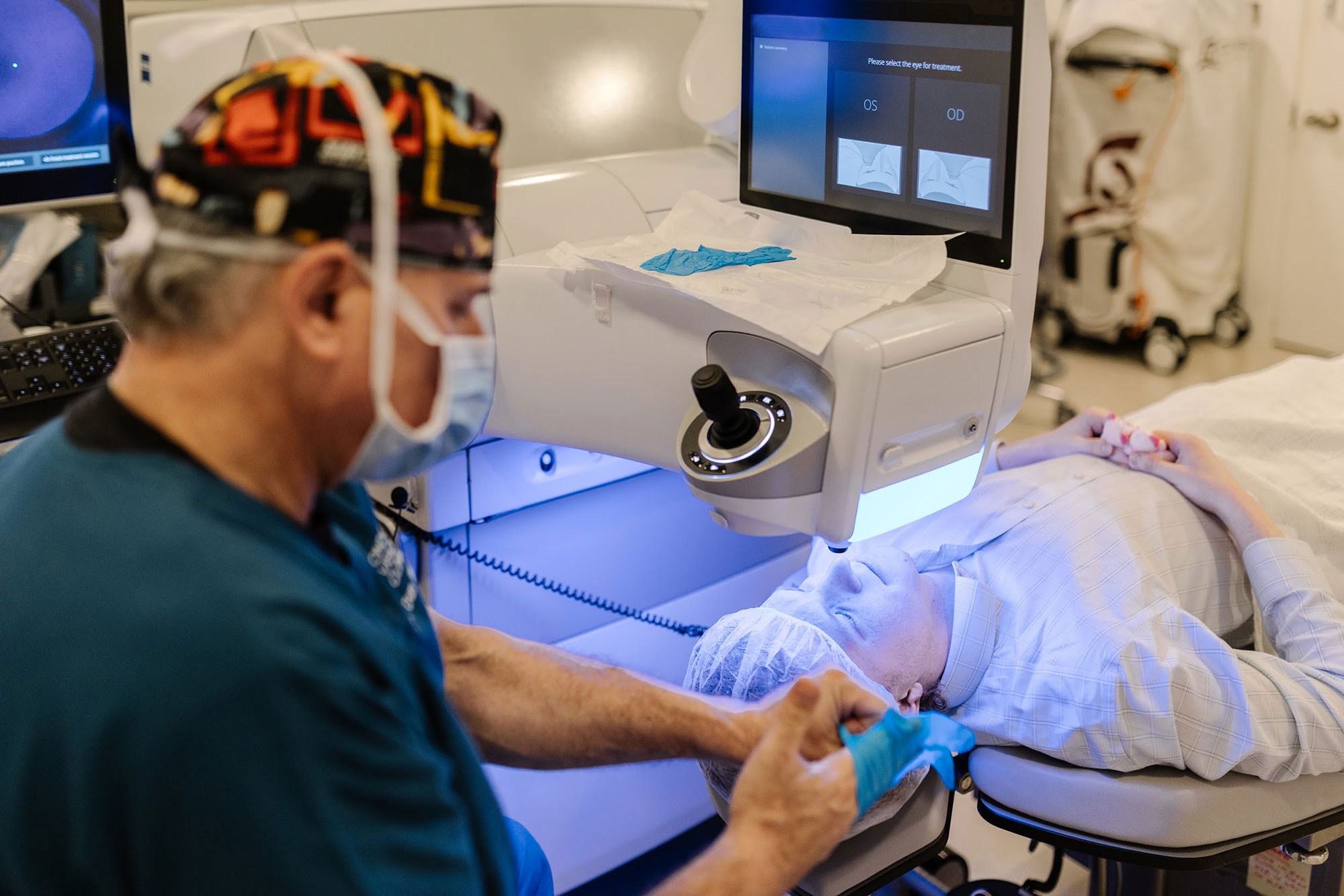
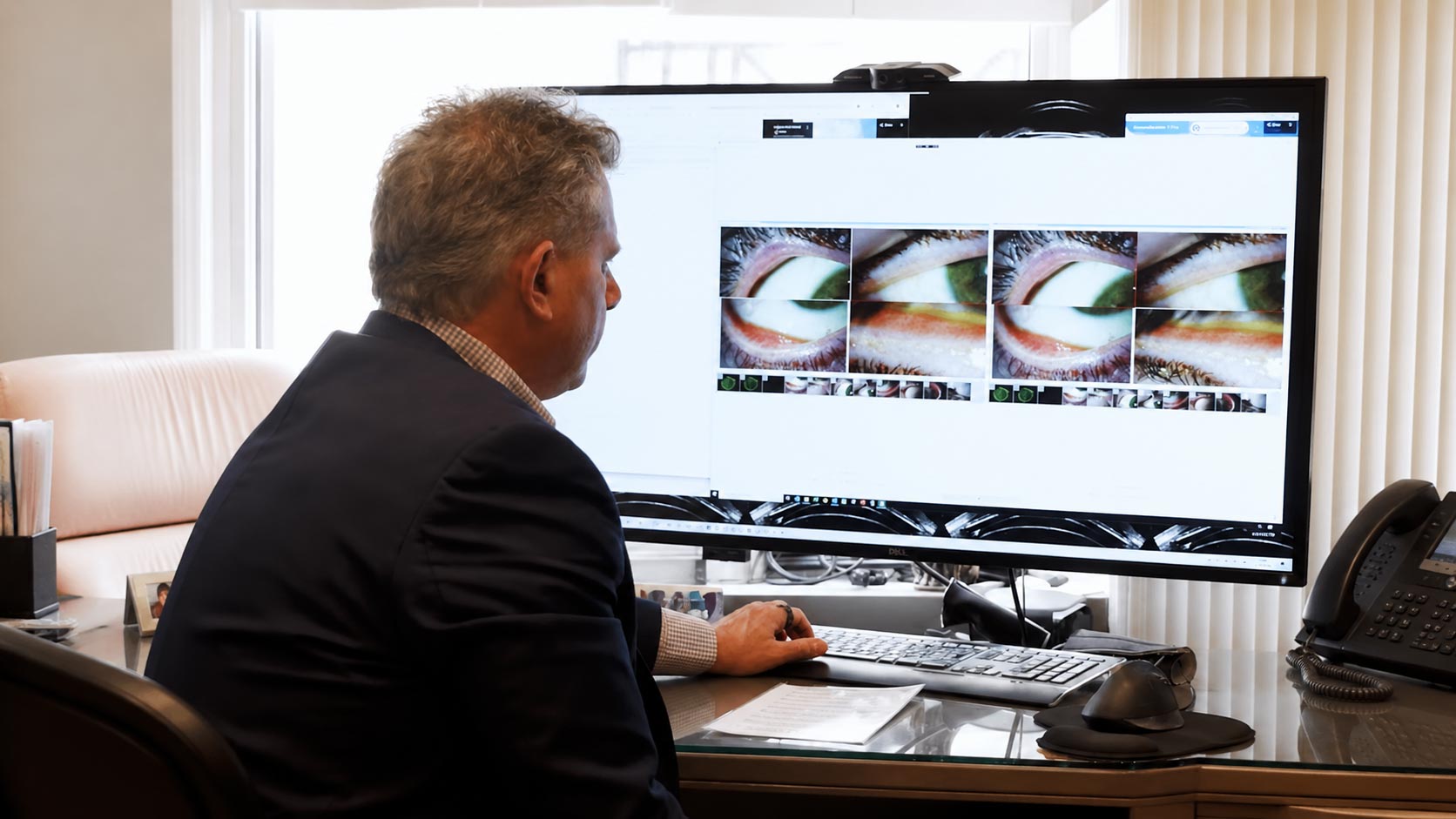
Although Laser Eye Surgery cannot cure amblyopia, having a lazy eye does not automatically rule someone out of refractive treatment. As Dr Glenn Carp explains in the accompanying video, Laser Eye Surgery may be able to correct the refractive error in an amblyopic eye. However, it cannot normally improve that eye beyond the level of vision it previously achieved with the best possible glasses or contact lens prescription.
In simple terms, the laser can change how light is focused by the cornea, but it cannot reverse an established developmental limitation in the visual pathways between the eye and brain.This means expectations must be discussed carefully. If an amblyopic eye has never achieved completely clear vision with glasses, Laser Eye Surgery should not be expected to produce completely clear vision in that eye.
How Is Suitability Assessed?
Suitability depends on more than the presence or absence of amblyopia. Your surgeon will need to assess the best-corrected vision in each eye, the difference between the two prescriptions and the extent to which you rely on your stronger eye.The assessment should also examine your corneal thickness and shape, prescription stability, tear-film health and the overall condition of both eyes. Particular care may be needed when one eye provides most of your useful vision, as the potential benefits and risks of elective surgery must be considered in that context.
Many people with mild amblyopia may still be suitable for refractive treatment and can reduce their dependence on glasses or contact lenses. However, the expected result must be based on the established visual potential of each eye. The only reliable way to establish this is through a rigorous screening programme and a detailed consultation with an experienced refractive surgeon.
If you have further questions about amblyopia and Laser Eye Surgery, speak with one of our clinic coordinators. Alternatively, book a consultation to find out whether refractive treatment may be suitable for your eyes.