Many people with refractive errors, such as myopia (short-sightedness) or hyperopia (long-sightedness), initially opt for glasses to correct their vision. However, over time, as the downsides of external frames become apparent, many will opt to make the switch to contact lenses. But while this may offer what seems like a new-found sense of freedom at first, it will likely only be a matter of time before the rose-tinted lenses begin to wear off…
Over the coming months, and possibly years, the reality of the limitations of contact lenses will become all too clear. Eventually, you will likely begin to wonder whether this is actually the convenient and promising solution it once appeared to be.
So, if you’re considering making the switch from glasses to contact lenses, we recommend you keep reading. After all, something as important as your vision requires careful consideration.
We’ve put together eight of the most common things contact lens wearers will have to consider every day. By the end of this article, you’ll be better informed to weigh up the true pros and cons of this popular visual aid. Let’s take a look at some of the restrictions of wearing contact lenses.
Everyday Situations Where Contact Lenses Can Become a Hassle
Contact lenses may initially feel like a convenient alternative to glasses, but many wearers eventually notice that they introduce their own set of limitations. From long working days to travel and exercise, there are many everyday situations where contact lenses can become uncomfortable, inconvenient, or even risky if proper hygiene is not maintained. The examples below highlight some of the most common real life situations where contact lens wearers may encounter challenges in their daily routine.
| Everyday Situation | Why Contact Lenses Can Be Challenging |
|---|---|
| Long driving journeys | Air conditioning and reduced blinking can dry out contact lenses, causing irritation and blurred vision during long trips. |
| Falling asleep unexpectedly | Even short naps can increase the risk of irritation or infection if lenses are left in while sleeping. |
| Going to the gym or exercising | Sweat, dehydration and dry environments can cause lenses to feel uncomfortable during intense workouts. |
| Swimming or water activities | Contact lenses should not be worn in water due to bacteria and parasites that can lead to serious eye infections. |
| Applying makeup | Mascara, eyeliner and powders can contaminate lenses, increasing irritation and infection risk. |
| Travelling or busy schedules | Cleaning routines, storage cases and spare lenses require planning and can complicate spontaneous travel. |
| Working long hours on screens | Reduced blinking while using computers can dry lenses quickly and increase eye strain. |
| Long term costs | Over time, the cost of lenses, cleaning solutions and replacements can exceed the cost of permanent vision correction. |
1. Go anywhere without a bathroom
Applying and removing contact lenses requires that you follow strict hygiene practices. Touching your lenses with dirty hands can significantly increase your risk of developing an eye infection which, in some cases, can even threaten your sight. As such, it’s not a good idea to spend too long in a place without a bathroom where you can wash your hands!
2. Sleep or take a siesta
One of the biggest no-nos of wearing contact lenses is leaving them in while you sleep. In fact, as a general rule, you should avoid leaving them in for extended periods – and falling asleep is the easiest and most dangerous way to defy this rule. But why is this?
Well, when we are awake, we blink regularly and our eyelids act as a kind of window-wiping system that spreads tear fluid across the eyeball. This fluid keeps the eyes lubricated and wipes away any potentially dangerous particles. When we are asleep, our eyes are unable to perform this function. Falling asleep with contact lenses means that bacteria is more likely to fester. This can potentially cause redness, irritation, and even infection.
3. Wear any makeup
Let’s be clear, contact lenses won’t prevent you from wearing makeup altogether. However, wearing some makeup products can be far from a good idea. Products such as mascara and eyeliner are one of the leading causes of eye infections – and the risk becomes even greater when contact lenses are added to the equation.
Accidentally getting makeup on your contact lens means going through the long process of taking them out and disinfecting them (or replacing them). And if you don’t, you could be putting your eyes at risk.
4. Go swimming or near water
While it might seem fairly obvious that swimming in contact lenses is not a good idea, you might be surprised that coming in contact with any water – including rain, showers, hot tubs, and even mist – could also present a risk. Water can contain countless bacteria and amoebae (a kind of single-cell organism) that can wreak havoc on your eyes.
One such amoeba is Acanthamoeba keratitis. This parasitic infection is most common in contact lens wearers and can lead to significant vision loss if left untreated.
5. Touch or rub your eyes
Every now and then, we are all taken over by an irresistible urge to rub our eyes. It may be due to tiredness, dryness, or even allergies and for the most part, it is considered a normal reaction. However, even for those who don’t wear contact lenses, rubbing your eyes excessively can increase your risk of developing keratoconus.
Keratoconus is an eye condition that causes the cornea to grow into a conical shape. This can lead to visual problems such as blurry vision and may eventually require corneal surgery. Discomfort caused by contact lenses can make rubbing your eyes seem all the more tempting – but it’s important to be aware of the risks!
6. Have a life outside your lenses
Signing up for a life with contact lenses can be more time-consuming than you might first realise – particularly if you opt for reusable lenses. While this option may seem more convenient than glasses at first, coming to terms with the reality of the application and cleaning regime can soon obliterate this assumption.
And it’s not just your lenses that you need to keep clean. Damp, dark environments can be a breeding ground for bacteria, so you should always ensure your lenses and lens case are thoroughly clean and dry. Failing to keep on top of keeping your kit safe can once again lead to infections.
7. Live spontaneously and go with the flow
As we mentioned earlier, it can be dangerous to wear your contact lenses beyond the recommended period. But what about when life happens? It can be easy to forget about your lens schedule or simply carry on with your day because your eyes are still feeling fine. But just because you aren’t experiencing any discomfort now, that’s not to say your lenses aren’t causing damage to your eyes.
Daily contact lenses are not designed to be worn for extended periods as they can prevent oxygen and moisture from reaching your corneas. So, while leaving your lenses in for a little longer might seem harmless, you may well regret it later on.
8. Save money on your vision
Like glasses, wearing contact lenses is essentially a way of renting clear vision. While it may seem like a good investment in the short term, over longer periods, it can become clear that you are actually losing a lot of money.
Surprisingly, some people may find that, over the long term, wearing contact lenses can be more costly than opting for Laser Eye Surgery. So, while contact lenses may initially seem like the most compelling option when it comes to vision correction, their associated costs and risks could soon outweigh their benefits.
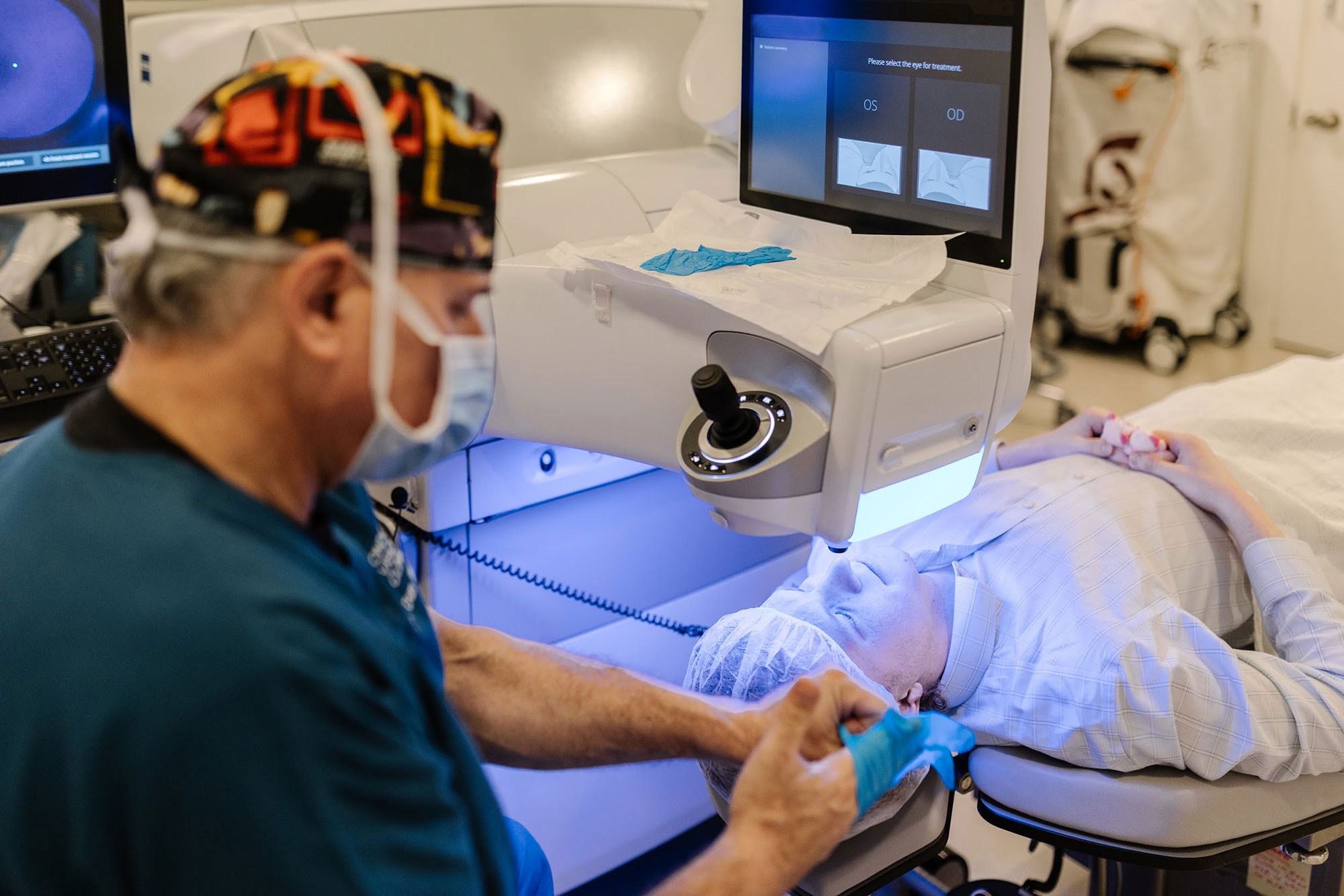
Luckily, there is another option. Laser Eye Surgery is now suitable for more people than ever before.
To find out if you could ditch the contact lenses with Laser Eye Surgery, get in touch with one of our friendly clinic coordinators or Book a Consultation today.
Is There a Better Long Term Solution?
For many people, these small daily inconveniences eventually begin to add up. The time spent cleaning lenses, managing dryness, avoiding water, and replacing supplies can make contact lenses feel far less convenient than they first appeared.
This is one reason why many patients begin to explore modern vision correction procedures such as laser eye surgery. Today’s treatments can correct a wide range of prescriptions in a quick procedure, allowing patients to enjoy clear vision without the ongoing maintenance that glasses or contact lenses require.
If you would like to find out whether laser eye surgery could help you move beyond contact lenses, our experienced team at London Vision Clinic would be happy to guide you through the process and discuss the options available to you.
Get in touch with one of our friendly clinic coordinators today or book a consultation to start your journey towards clearer vision.